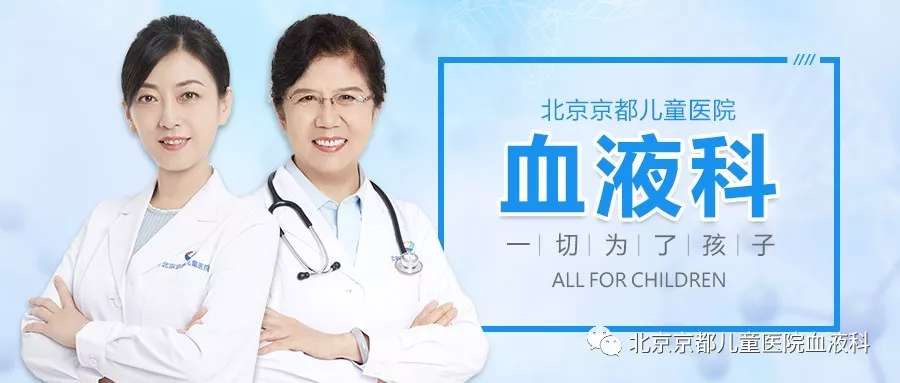
Jingdu's Hematology Department — "All for Children".
Why the Team Matters More Than the Machines
Blood diseases in children are rare. Aplastic anaemia, hemophagocytic lymphohistiocytosis, chronic active EBV infection and inherited immune disorders each affect a small number of children, and no two cases behave in exactly the same way. When a disease is this uncommon, experience is not a slogan — it is the single biggest factor in how quickly a diagnosis is made, how precisely treatment is chosen, and how well complications are recognised before they become dangerous.
That is why a pediatric hematology centre is really a group of people rather than a building. Some of the specialists below have spent almost half a century on childhood leukemia. Others came from laboratories abroad, where they learned to read a child's genes. Several trained in the same wards they now lead. Together, they cover the full journey a child may travel: diagnosis, chemotherapy, immunotherapy, stem cell transplantation, and the long follow-up afterwards.
The Senior Experts
Seven senior specialists guide the department's strategy, its most difficult cases, and its research. Two of them hold professorships at children's hospitals outside China and travel regularly to Jingdu.
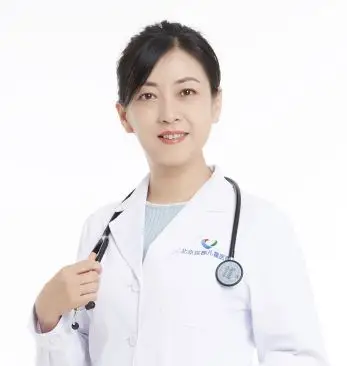
Sun Yuan
Chief Physician, MD, Professor · Hospital Director · Head of Hematology-Oncology
A well-known expert in childhood blood diseases with nearly 30 years of clinical work, Professor Sun built the department around transplantation for children with blood disorders and primary immunodeficiency. Her team performs matched-sibling, unrelated peripheral blood stem cell, unrelated cord blood, related haploidentical and autologous cord blood transplants for high-risk, refractory and relapsed leukemia, lymphoma, aplastic anaemia, inherited immune and metabolic diseases, and both primary and EBV-related hemophagocytic syndrome.
She is a member of the International Society for Histiocyte Disorders, Vice Chair of the Cord Blood Application Committee of the China Maternal and Child Health Association, and serves on national committees for pediatric oncology and the China Marrow Donor Program. She speaks regularly at international conferences and has published dozens of papers in leading journals.
In plain language: the person who decides when a child with a hard-to-treat blood disease should have a transplant — and which kind of donor gives the best chance.
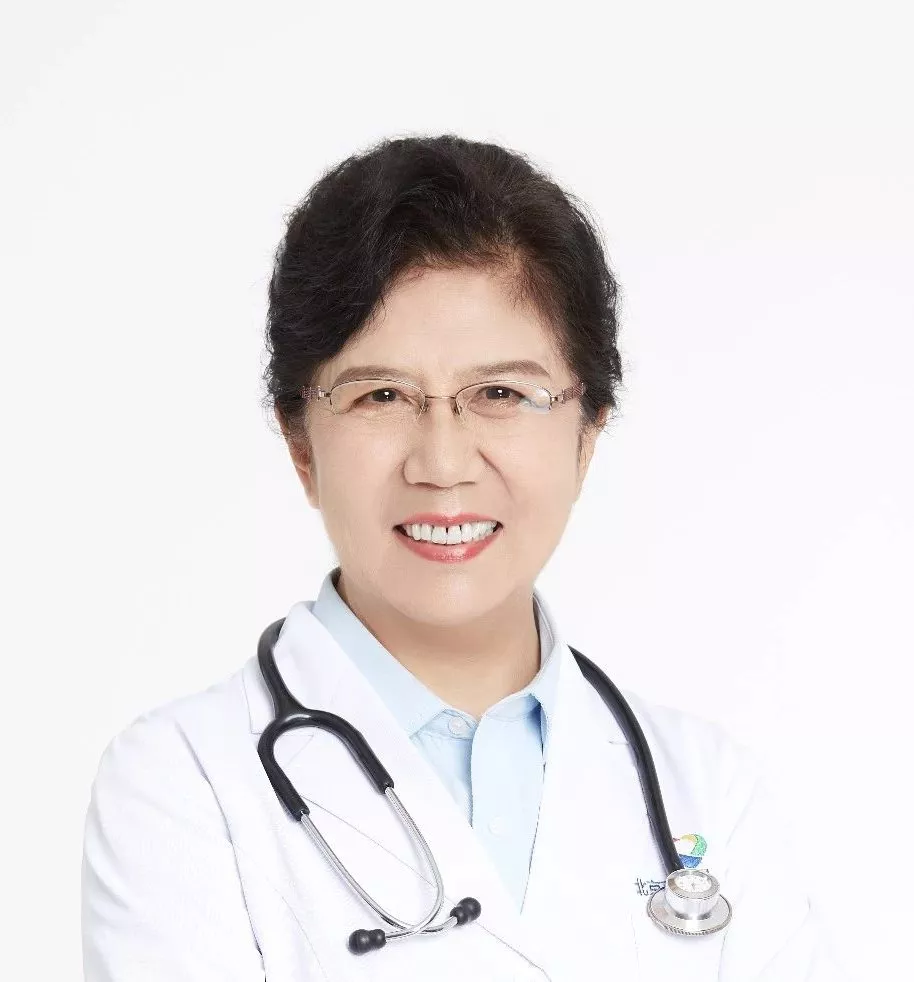
Wu Minyuan
Chief Physician, Professor, Postgraduate Supervisor · Chief Expert of the Hospital
Professor Wu graduated in pediatrics from Capital Medical University and has close to 50 years of pediatric experience, more than 30 of them devoted to childhood leukemia. She authored the clinical pathway for childhood leukemia used by China's health authority, and in 2008 led the creation of a national childhood leukemia group that unified how the disease is diagnosed and classified across hospitals.
She developed successive leukemia treatment protocols that raised the five-year disease-free survival of childhood acute lymphoblastic leukemia from 70 percent to 82 percent, matching the leading international treatment groups of the time. She has published more than 70 papers in major international journals and written or contributed to 10 books.
In plain language: one of the doctors who wrote the rulebook for treating childhood leukemia in China — the protocols behind today's cure rates.
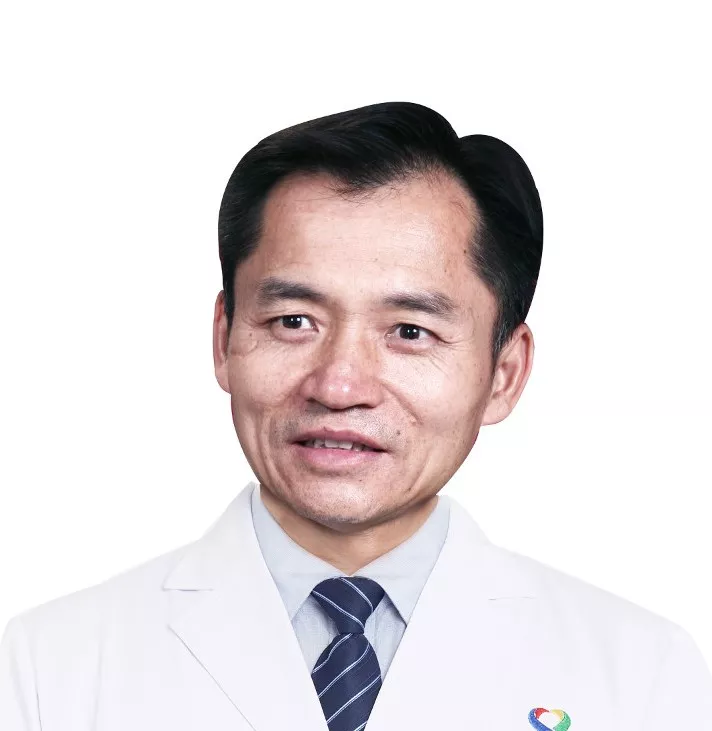
Wu Nanhai
Associate Chief Physician · Deputy Head of Hematology-Oncology
With nearly 40 years of pediatric experience, Dr. Wu previously served as Deputy Head of Pediatrics at a major naval general hospital and now helps lead the department at Jingdu. He treats the full range of childhood blood diseases — anaemias, acute and chronic leukemia, and myelodysplastic syndrome — and has worked in pediatric stem cell transplantation for more than a decade.
He was among the first in China to carry out transplants for children with myelodysplastic syndrome, hemophagocytic syndrome, EBV-related lymphoproliferative disease and severe congenital neutropenia. He serves on national pediatric hematology and oncology committees and is Deputy Editor-in-Chief of a Chinese journal of pediatric hematology and oncology.
In plain language: a veteran clinician who helped bring transplant treatment for several rare childhood blood conditions to China for the first time.
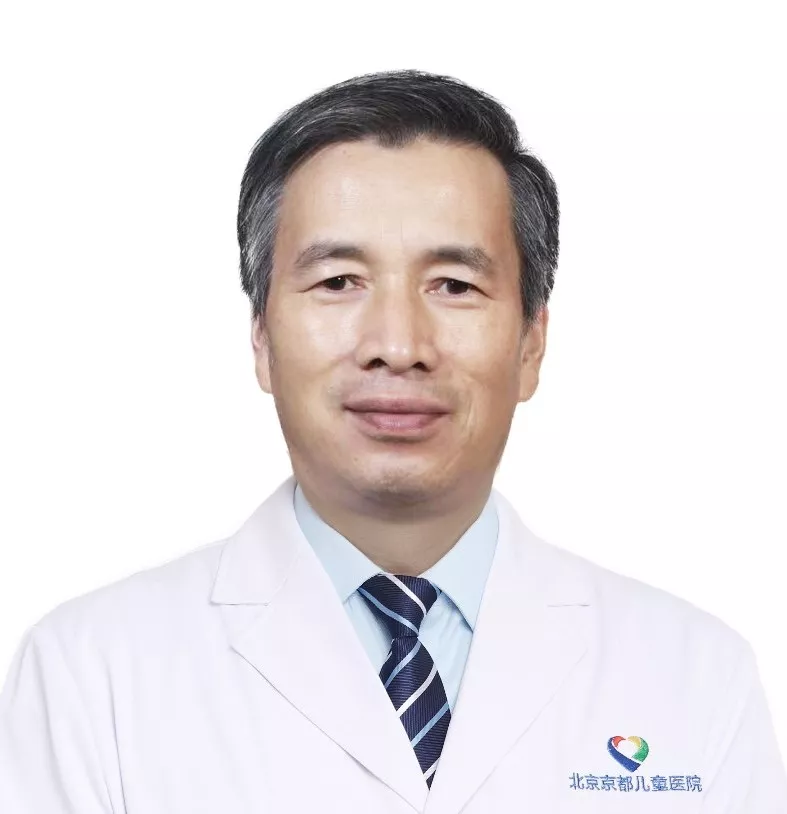
Tang Suoqin
Chief Physician, Professor, Doctoral Supervisor · Invited Expert
Professor Tang graduated from the Fourth Military Medical University in 1985 and spent three years as a visiting scholar at a children's hospital in Los Angeles. He was previously Chief Physician, Professor, Doctoral Supervisor and Head of Pediatrics at the First Medical Center of a major general hospital in Beijing, and served five terms on the standing committee of the Chinese Medical Association's pediatrics branch. He has received a national pediatrician award and a first prize in a national young investigators' competition.
He is a member of the National Pharmacopoeia Commission and has led two national natural science foundation projects and two national high-technology research projects. He has published more than 100 papers, over 20 of them in international journals, and has supervised more than 20 master's and four doctoral students.
In plain language: deep experience across childhood blood diseases and tumours — anaemias, low platelets, leukemia, lymphoma, neuroblastoma and Wilms tumour — together with transplant experience.
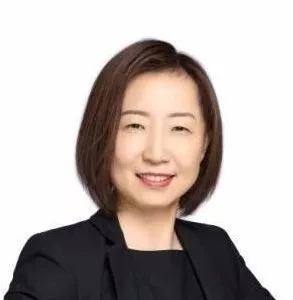
Kejian Zhang
Professor · Distinguished Invited Expert · Cincinnati Children's Hospital
Professor Zhang is a Professor of Pediatrics at the University of Cincinnati College of Medicine and has directed the molecular genetics laboratory at Cincinnati Children's Hospital. She has spent her career working out the genetic causes of childhood inherited disease, and is internationally recognised for her work on the molecular diagnosis of hemophagocytic syndrome and primary immunodeficiency.
She was elected to three consecutive terms on the scientific committee of the International Society for Histiocyte Disorders and received that society's award for basic science research. She has published more than 80 papers in leading international journals and holds several patents. She works with Jingdu to bring international diagnostic standards for hemophagocytic syndrome and rare inherited diseases to Chinese children.
In plain language: when the cause of a child's immune or blood disorder is still a mystery, her laboratory looks for the exact gene responsible — so treatment can be aimed precisely.
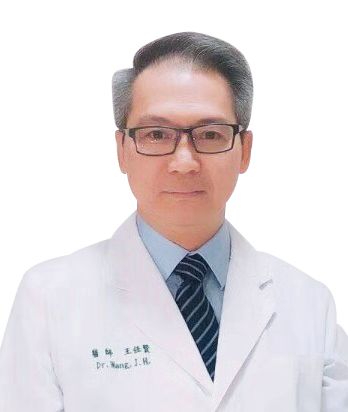
Wang Jen-hsien
Visiting Professor · Infectious Disease & Infection Control
Professor Wang graduated from the College of Medicine of National Taiwan University and trained further in infectious diseases in the United States. He has led infectious disease and infection control departments at several major hospitals, and is a recognised authority on hospital infection control and public health in Taiwan, China, where he has served as an adviser to health authorities and to the city of Taichung.
He advises hospitals in mainland China on the safe use of antibiotics and the prevention of hospital-acquired infection, and has worked with infection-control teams in Tianjin and Jiangsu. Within the Jingdu team he helps protect children whose immune systems are weakened by chemotherapy or transplantation, for whom an ordinary infection can become a serious threat.
In plain language: the infection-control specialist who keeps vulnerable children safe from the infections that can derail a transplant.
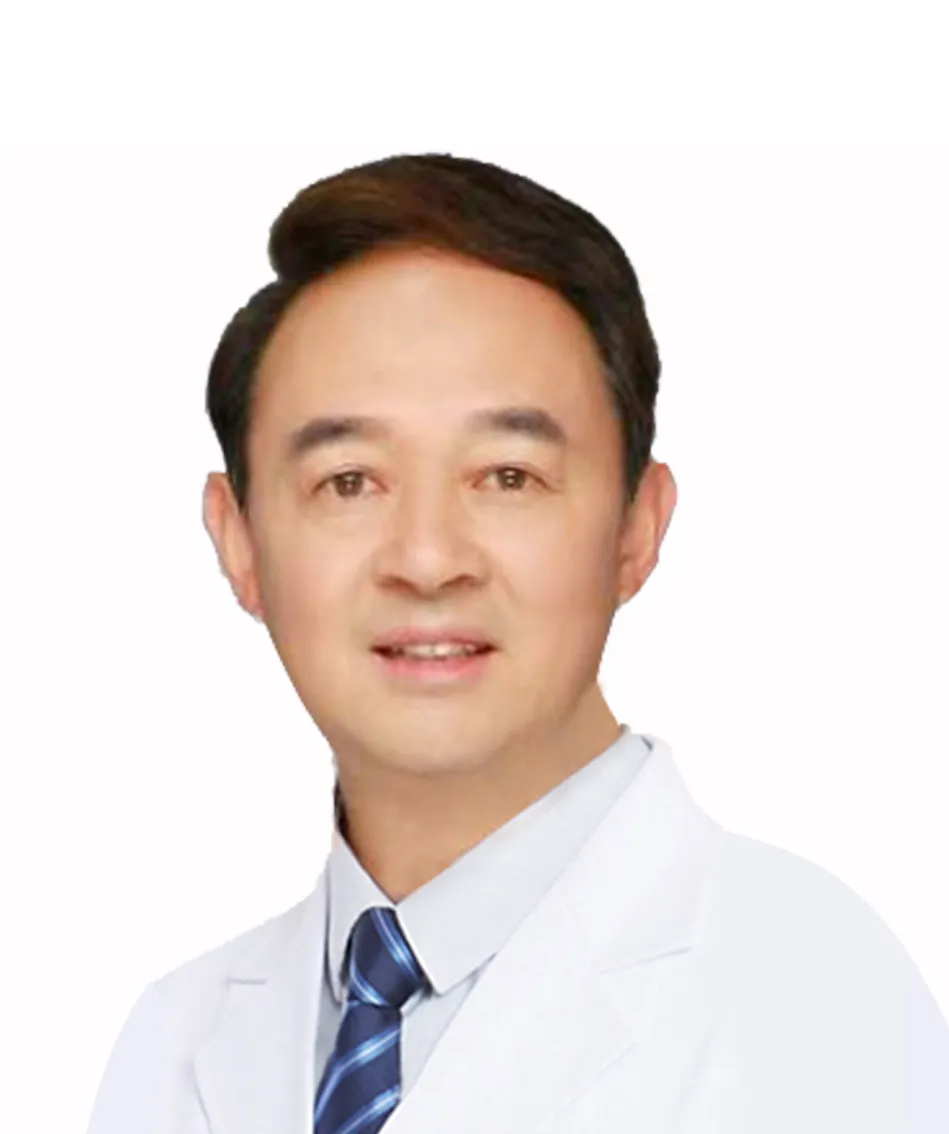
Xu Zhongwei
Visiting Professor · CAR-T Cell Therapy
Professor Xu holds a doctorate from the medical school of the University of Bern in Switzerland and has worked as a senior researcher at Columbia University and the University of Pennsylvania, where he led a CAR-T research programme. He is the founder, chairman and chief scientist of a biotechnology company developing CAR-T therapies in Beijing.
His work focuses on CAR-T immune cell therapy, an approach in which a patient's own immune cells — or cells from a healthy donor — are engineered to recognise and attack leukemia. Working with several hospitals on clinical trials, his teams have reported response rates above 90 percent for both autologous and allogeneic CAR-T therapy, with the allogeneic results at internationally leading levels.
In plain language: the scientist behind the cell therapy that can put a child's leukemia into remission when chemotherapy has stopped working, buying time for a transplant.
The Doctor Team
Six attending doctors and ward heads provide the day-to-day care: admitting patients, running the wards, performing transplants, and following families through the months after treatment. Several of them have personal areas of depth that make them the person to see for a particular diagnosis.
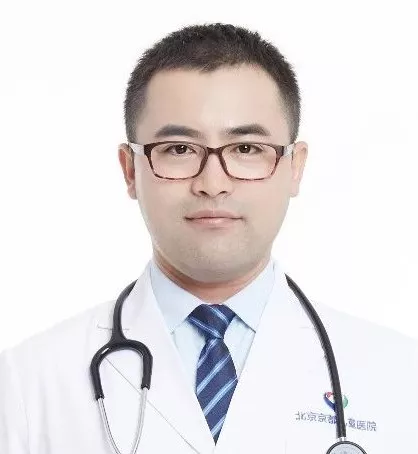
Liu Zhouyang
Associate Chief Physician · Head of Ward 8
Dr. Liu has worked in hematology for 16 years and leads Ward 8, which handles transplantation and general blood disorders. He has taken part in numerous research projects and has personally completed more than 1,000 procedures across allogeneic stem cell transplantation, cord blood transplantation and autologous transplantation. He is also an associate professor of pediatrics at a medical university and advises on vaccination safety in Changping District, Beijing.
In plain language: the doctor who runs the transplant ward day to day, and who has performed more than a thousand transplants of every kind.
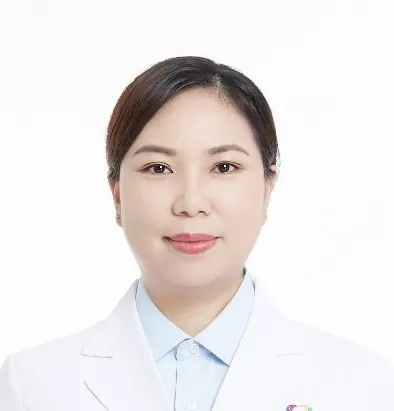
Xiao Juan
MD · Hematology
Dr. Xiao is a medical doctor and head of a hematology ward at Jingdu. She treats both benign and malignant blood disorders in children and has accumulated extensive experience in the treatment and transplantation of childhood leukemia, lymphoma, aplastic anaemia and hemophagocytic syndrome. She sits on committees for inherited blood diseases and pediatric health education.
In plain language: a ward doctor who manages both non-cancerous and cancerous blood diseases in children.
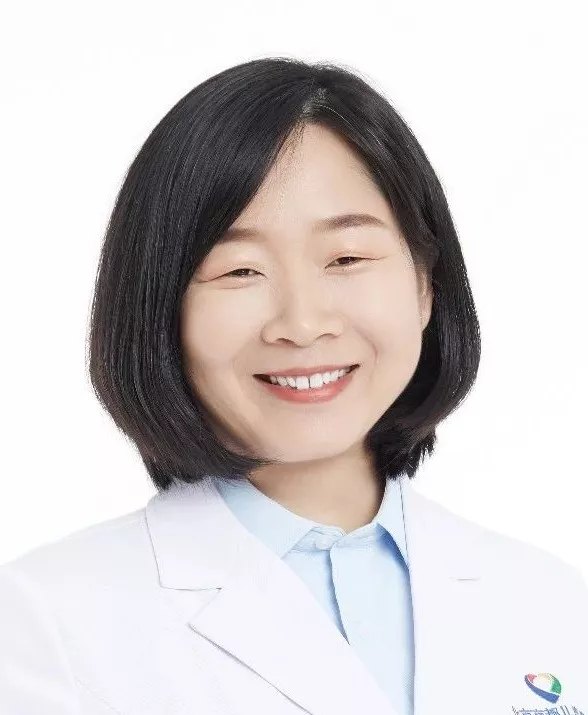
Liu Hongyan
Associate Chief Physician · Head of Blood & Solid Tumour Department
Dr. Liu leads the department's work on solid tumours in children, combining chemotherapy, autologous stem cell transplantation and immunotherapy. She also leads the hospital's pediatric palliative and comfort care programme and its comprehensive management of neurofibromatosis, and is the principal investigator of a pediatric palliative research fund and a Beijing natural science foundation project.
She holds committee positions across pediatric oncology, precision treatment, integrative rehabilitation, rare disease oncology and pediatric palliative care, has published widely, and has contributed to two books.
In plain language: the doctor to see when the problem is a solid tumour rather than a blood cancer — and the person who makes sure comfort and quality of life are part of the plan.
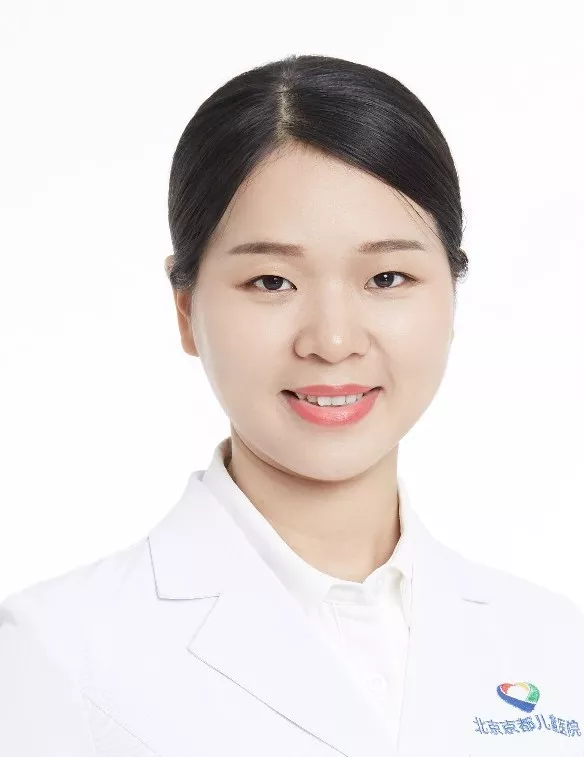
Chen Jiao
MD, Associate Chief Physician · Deputy Head of International Medical Department
Dr. Chen completed an eight-year medical doctorate in pediatrics at Peking University Health Science Center and undertook her doctoral training at Peking University People's Hospital, focusing on childhood blood diseases. She has more than 10 years of clinical experience in pediatric hematology and has published more than 50 papers and abstracts in national and international journals and conferences, presenting on several occasions at national and international meetings.
Her clinical interests include Shwachman-Diamond syndrome, childhood leukemia, aplastic anaemia, hemophagocytic syndrome, chronic active EBV infection and immunodeficiencies such as Wiskott-Aldrich syndrome, severe combined immunodeficiency and congenital neutropenia. She is experienced in transplants for very young infants and in protecting the fertility and ovarian function of girls who undergo transplantation.
In plain language: deputy head of the international department, where families from abroad are looked after — with a special interest in transplants for babies and in preserving a girl's future fertility.
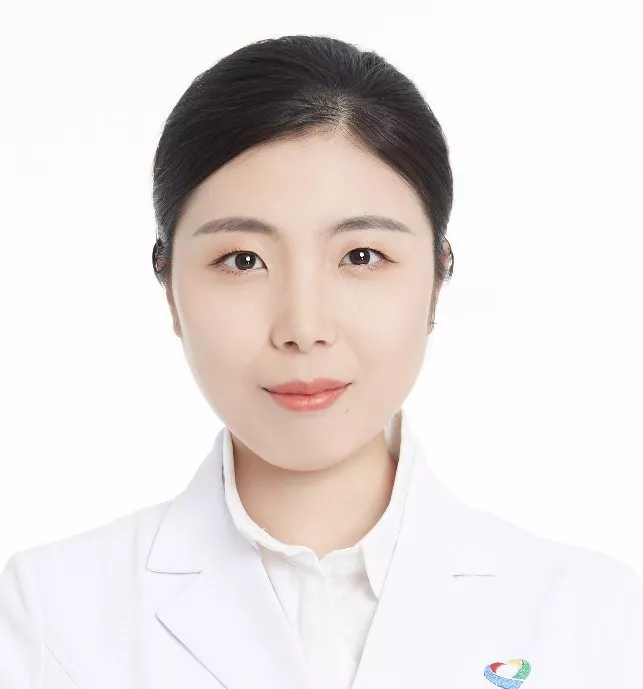
Jiang Fan
Associate Chief Physician · Hematology & Traditional Chinese Medicine
Dr. Jiang graduated from the China Academy of Chinese Medical Sciences and has taken part in several national research projects. She has published numerous papers and contributed as an editorial board member or deputy editor-in-chief to eight books on Chinese materia medica, traditional formulas, traditional health preservation and modern acupuncture. She holds a national patent for the clinical application of traditional Chinese medicine.
She has worked in hematology for many years and is familiar with the diagnosis and treatment of childhood blood tumours, primary immunodeficiency, inherited metabolic diseases, bone marrow failure, chronic active EBV infection and hemophagocytic syndrome, with particular experience in transplantation for different blood diseases.
In plain language: a hematologist who also trained in traditional Chinese medicine — bringing both approaches to a child's supportive care.
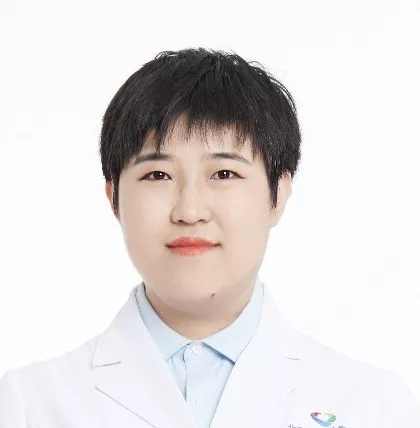
Fan Shifen
Attending Physician · Hematology
Dr. Fan has more than 10 years of experience in pediatric hematology. She specialises in the diagnosis and treatment of childhood blood diseases and has extensive experience in stem cell transplantation for both benign and malignant blood disorders — in particular refractory and relapsed hemophagocytic syndrome and chronic active EBV infection. She has completed more than 300 stem cell transplants and has published several papers on hemophagocytic syndrome and chronic active EBV infection.
In plain language: more than 300 transplants completed, focused on the two hardest-to-treat conditions in the department.
What This Means for Families Travelling to Beijing
A team this size matters most for families who travel a long way for care. Because the department treats a large number of rare cases, a diagnosis that has puzzled doctors elsewhere is often one the team has seen many times before. And because the same doctors who run the wards also make the decisions about transplantation, families are not passed between separate services.
For international families, the department works with the hospital's international medical department, which handles medical records review before travel, remote consultation, visa and travel support, interpretation, and arrangements for accommodation nearby. A full medical record review can usually begin before a family leaves home, so that the first in-person appointment is spent on decisions rather than on repeating tests.
Sending records for review: families can ask their treating hospital for the diagnosis report, bone marrow results, genetic testing, imaging and a treatment summary. Our international team reviews these together with the hematology department and returns a written opinion, usually within a few working days.
Related Reading
- Inside Jingdu's Hematology & Transplant Center: A Guide to Childhood Blood Disorders — a plain-language guide to the department, the conditions it treats, and what more than 900 transplants have taught us.
- Low-Dose Etoposide Induction: A New Path to Transplant for Refractory HLH — how a modified induction regimen helps children with refractory HLH become eligible for transplantation.