Asia's #1 Pediatric HSCT Center · 900+ Transplants Completed · ~100 Each Year · 14-Day Donor Identification
Led by Professor Sun Yuan, Hospital Director and Head of Hematology-Oncology, and Professor Wu Minyuan, distinguished expert with State Council Special Contribution, our department is one of China's leading centers for childhood blood disorders.
The department is organized as a complete care system rather than a single ward:
Parents or relatives with only 50% HLA compatibility can serve as donors. Our groundbreaking research on modified haploidentical transplantation pretreatment for primary HLH achieved a 2-year overall survival rate of 78.4% and 5-year rate of 73.7%.
Acute lymphoblastic leukemia (ALL), acute myeloid leukemia (AML), lymphoma, and relapsed or refractory cases. Cure rates from 80% to 90% for specific subtypes.
Primary and secondary HLH with groundbreaking treatment protocols. Modified haploidentical transplant achieving industry-leading survival rates. More than 100 transplants performed for refractory or relapsed HLH.
Most children recover from Epstein-Barr virus within weeks. In a small number, the virus stays active and keeps damaging organs. This persistent form is rare and needs specialist long-term care.
Acquired aplastic anaemia, Shwachman-Diamond syndrome, Fanconi anaemia, congenital neutropenia, Diamond-Blackfan anaemia, and dyskeratosis congenita.
Comprehensive thalassemia treatment including stem cell transplantation as curative therapy. Expert in both matched and haploidentical transplants.
Wiskott-Aldrich syndrome, severe combined immunodeficiency, very early onset inflammatory bowel disease, hyper-IgM syndrome, hyper-IgE syndrome, and chronic granulomatous disease.
Gaucher disease, Niemann-Pick disease, mucopolysaccharidosis, adrenoleukodystrophy, and metachromatic leukodystrophy — conditions in which healthy donor cells can replace the faulty ones.
Neuroblastoma, hepatoblastoma, Wilms tumour, retinoblastoma, atypical teratoid and rhabdoid tumours, germ cell tumours, and medulloblastoma.
Chimeric Antigen Receptor T-cell therapy for relapsed/refractory B-cell leukemia and lymphoma. Cutting-edge immunotherapy offering hope when conventional treatments fail.
Cytokine-Induced Killer cells and Natural Killer cell therapies providing additional treatment options for blood cancers, particularly in combination with transplantation.
Advanced cord blood transplant technology with the "Square of Life" approach. Effective for patients without matched sibling or unrelated donors.
Precision medicine approach using gene sequencing for diagnosis and targeted therapy for specific genetic mutations in blood disorders and rare diseases.
More than 900 stem cell transplants — and the experience behind them.
Three disease groups account for more than half of all transplants: hemophagocytic lymphohistiocytosis, chronic active Epstein-Barr virus infection, and primary immunodeficiency. The department has performed more than 100 transplants for refractory or relapsed HLH, nearly 50 for chronic active EBV infection, and nearly 100 for primary immunodeficiency. More than 80 percent of the children treated here are high-risk cases, and many reach transplantation only after new chemotherapy or targeted regimens bring their disease back under control.
Very young patients are another area of depth. Ten children transplanted here were under one year old and 32 were between one and two years old; the youngest recipient was two months old, and the youngest stem cell donor was nine months old. Repeated transplantation is also possible — by late 2025 the team had completed a third stem cell transplant for a fourth child. Older girls can have ovarian tissue preserved before transplantation so that surviving their disease does not mean losing the chance of having children later; 59 such procedures had been completed by the end of 2025.
Thirteen specialists — including two professors based at international children's hospitals — care for every child in the department.
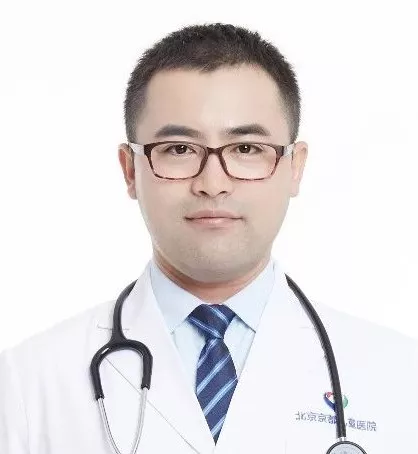
Hospital Director · Head of Hematology-Oncology
Haploidentical transplantation and HLH
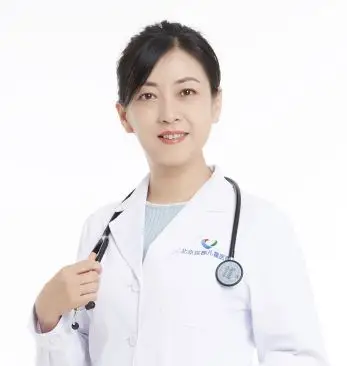
Chief Expert · Professor
Childhood leukemia treatment protocols
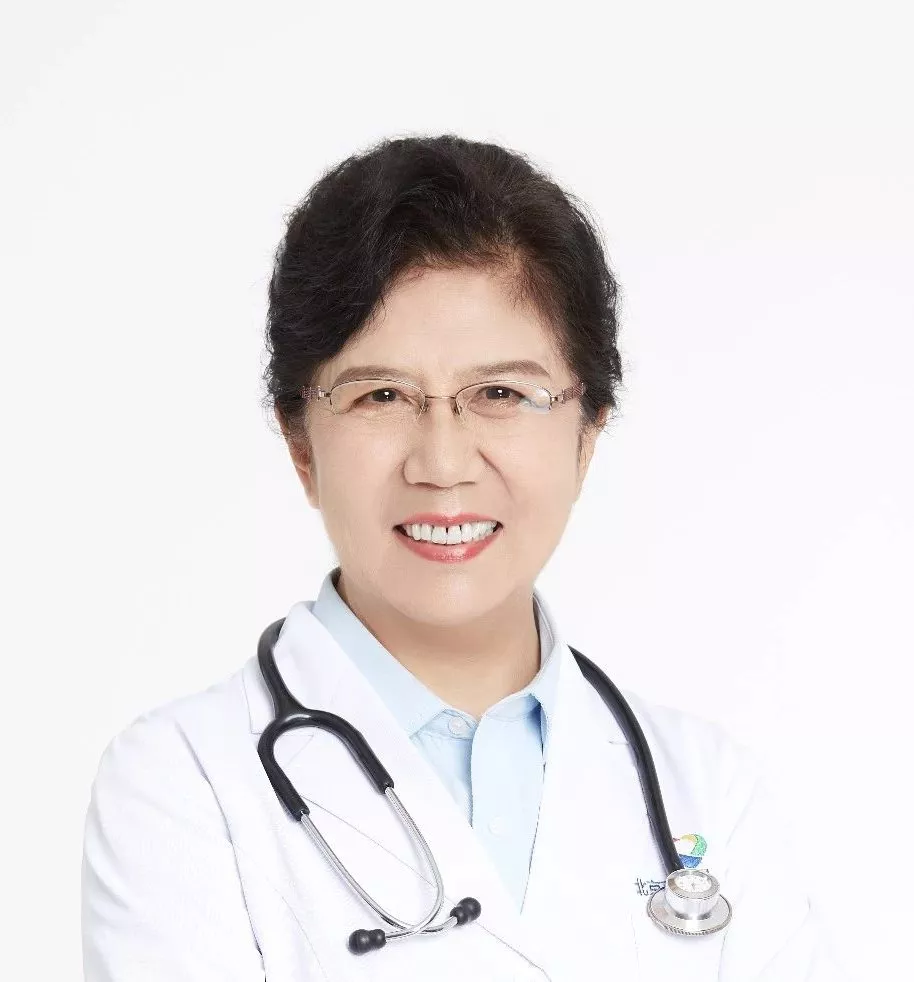
Deputy Head, Hematology-Oncology
MDS, HLH and congenital neutropenia transplants
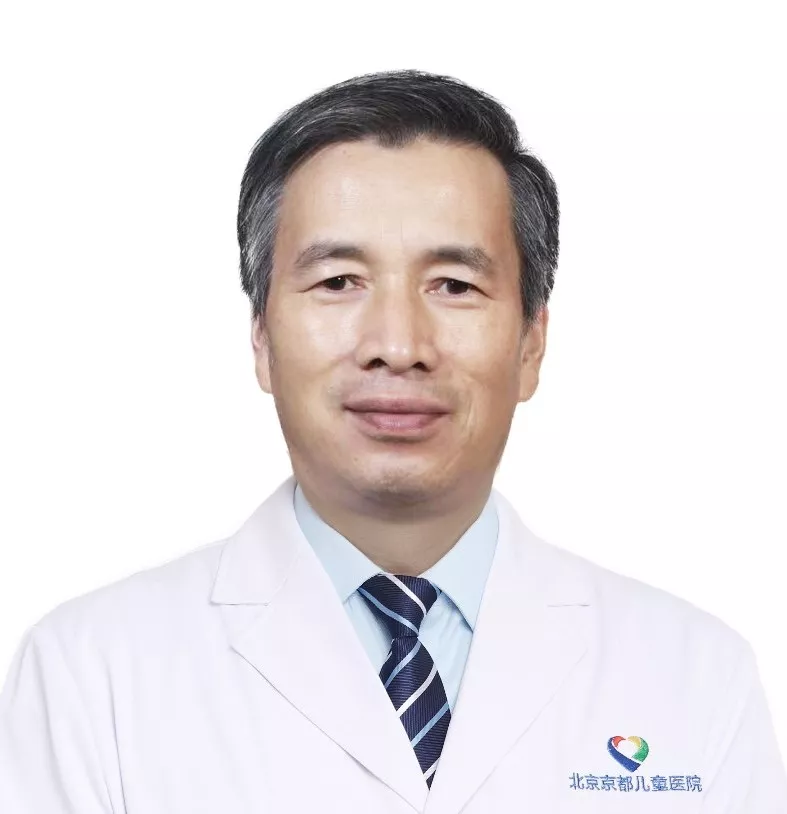
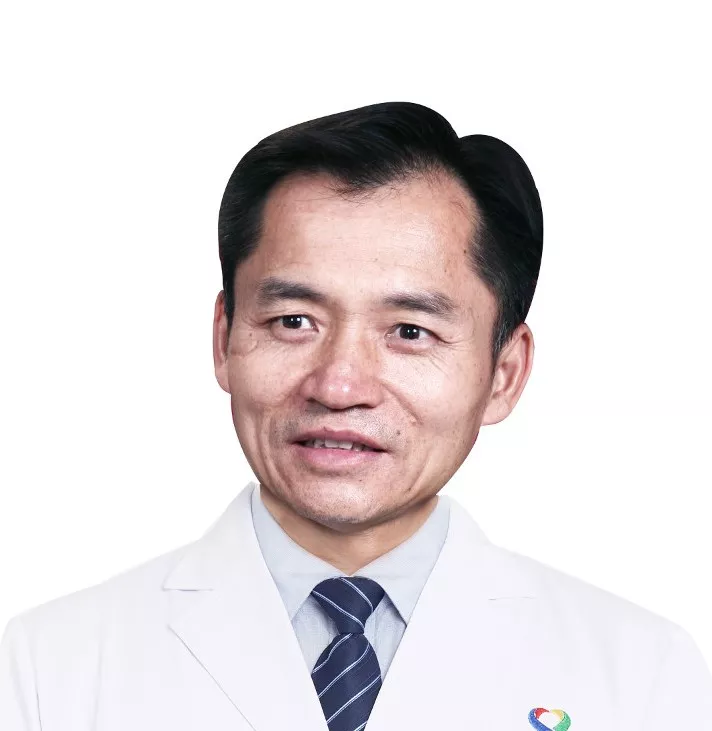
Invited Expert · Professor
Blood diseases and solid tumours
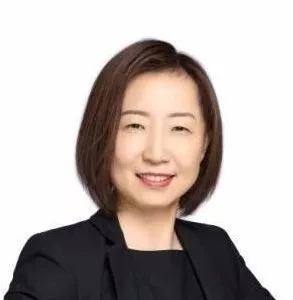
Professor, Cincinnati Children's Hospital
Molecular genetic diagnosis
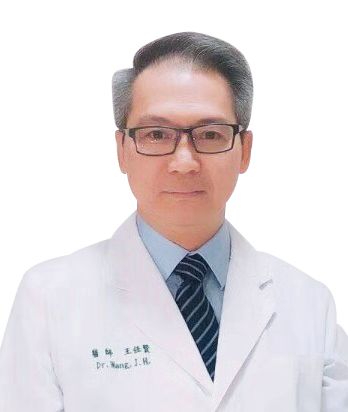
Visiting Professor
Infection control for immunocompromised children
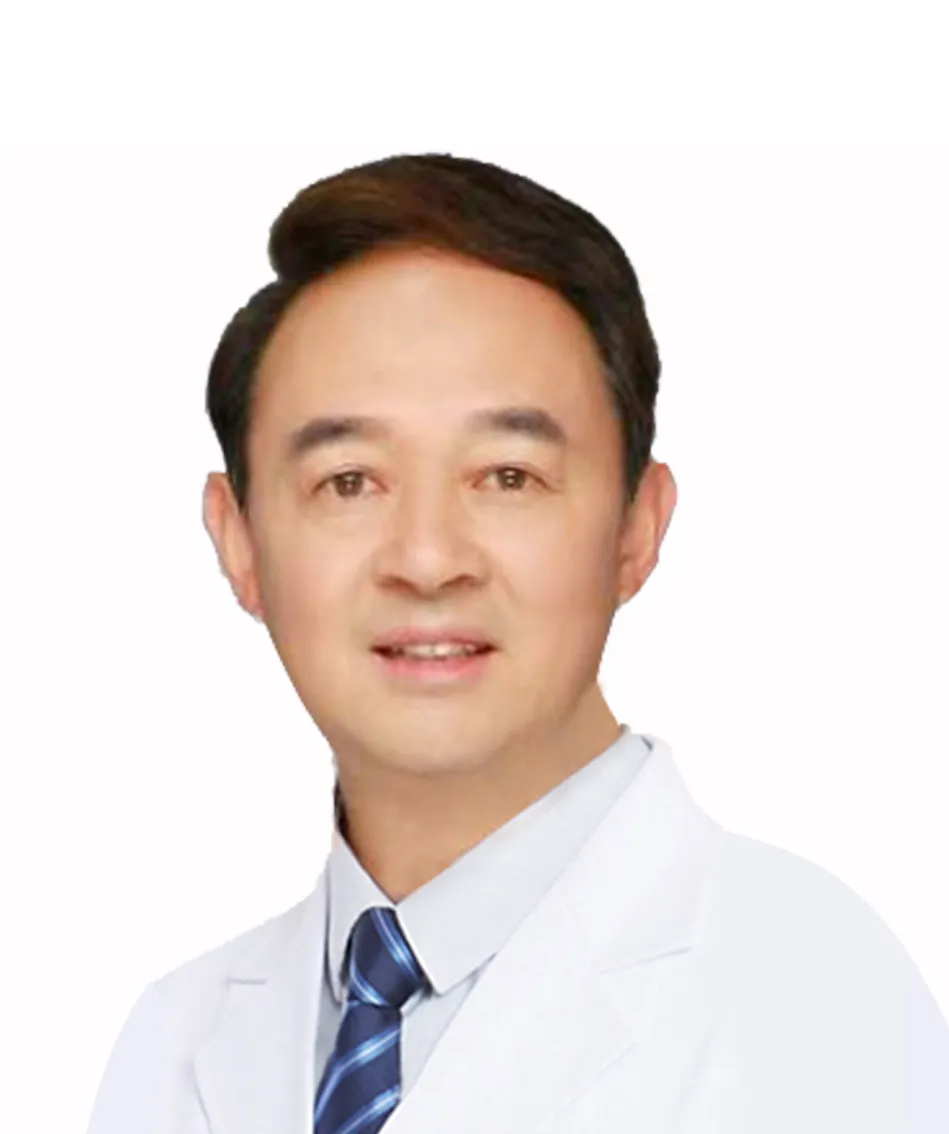
Visiting Professor
CAR-T cell therapy
Head of Ward 8
Transplant ward · 1,000+ transplants
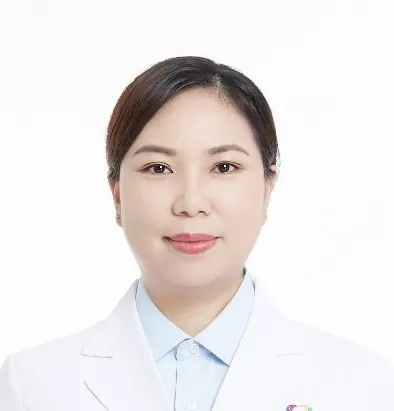
MD · Hematology
Leukemia, lymphoma and aplastic anaemia
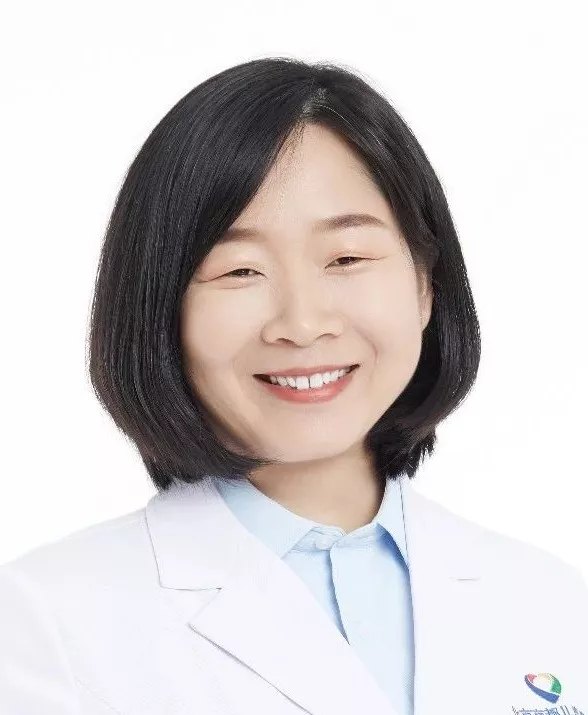
Head of Blood & Solid Tumour
Solid tumours and palliative care
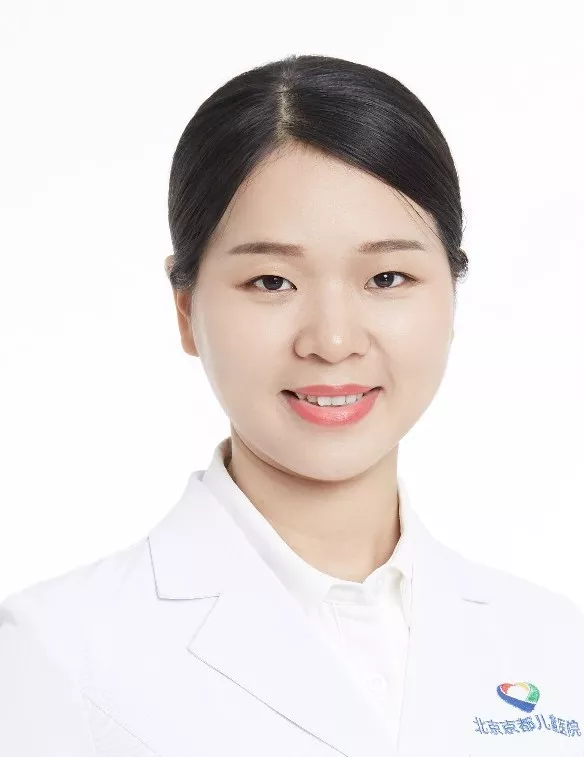
Deputy Head, International Medical Department
Infant transplants and fertility protection
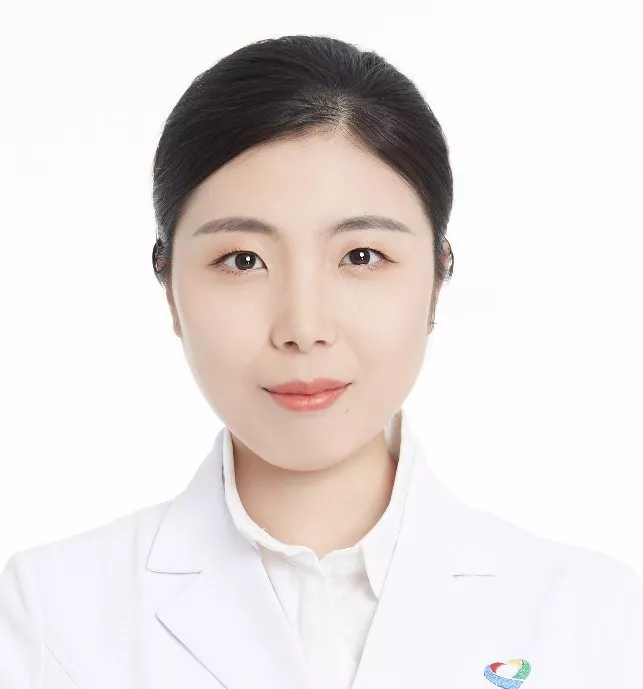
Associate Chief Physician
Hematology and traditional Chinese medicine
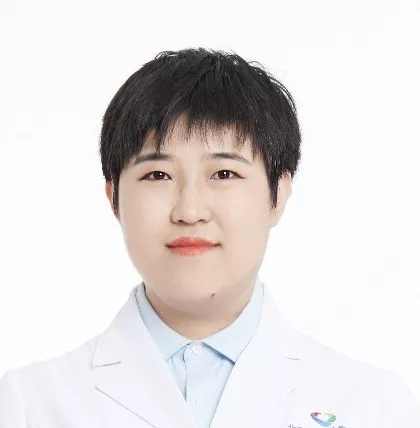
Attending Physician
HLH and chronic active EBV · 300+ transplants
The 13 hematology specialists who treat children at Jingdu — and what each one is known for.
A plain-language guide to the department, the conditions it treats, and what more than 900 transplants have taught us.
How a modified induction regimen helps children with refractory HLH become eligible for transplantation.